In emergencies, every second counts. Whether it’s a sudden cardiac arrest, choking, a severe injury, or a medical emergency at home, school, or work, knowing how to respond effectively can mean the difference between life and death. This is why training in CPR (Cardiopulmonary Resuscitation) and first aid is essential for everyone. These skills empower individuals to act confidently and efficiently during critical moments, potentially saving lives before professional help arrives.
What is CPR?
CPR, or Cardiopulmonary Resuscitation, is a life-saving technique used when someone’s heart stops beating. It combines chest compressions and rescue breaths to maintain blood flow to vital organs, particularly the brain and heart, until emergency medical services (EMS) arrive. Sudden cardiac arrest can happen to anyone, regardless of age or health, and often occurs outside of hospitals. Immediate CPR can significantly improve survival rates, sometimes doubling or even tripling the chance of survival.
The Importance of First Aid Training
While CPR addresses life-threatening situations involving the heart, first aid covers a wide range of medical emergencies. First aid is the immediate care given to someone who is injured or suddenly ill, aiming to stabilize the person and prevent further harm. This includes treating cuts, burns, fractures, choking, allergic reactions, and more. First aid certification knowledge ensures that you can respond appropriately in emergencies, reduce complications, and provide comfort to those affected.
Benefits of CPR and First Aid Training
- Saves Lives: The most obvious and crucial benefit is saving lives. Quick and effective intervention can prevent fatalities in emergencies.
- Reduces Recovery Time and Severity of Injuries: Proper first aid can limit the severity of injuries, prevent complications, and speed up recovery for the injured or ill.
- Boosts Confidence in Emergencies: Many people freeze during emergencies because they feel unprepared. Training builds confidence, so you can act decisively and calmly.
- Promotes Workplace Safety: Many workplaces now require CPR and first aid training as part of safety protocols. Having trained staff ensures a safer environment for everyone.
- Encourages Community Responsibility: Being trained in CPR and first aid empowers you to help not only family and friends but also strangers in your community.
What CPR Training Involves
CPR training usually covers several key areas:
- Recognizing Cardiac Arrest: Understanding the signs of cardiac arrest, such as sudden collapse, lack of breathing, and unresponsiveness.
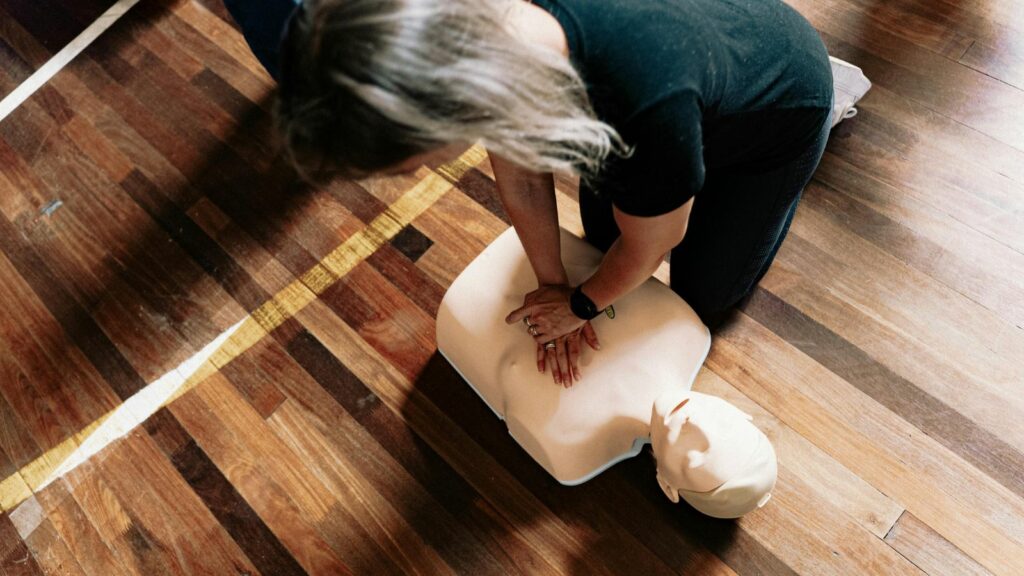
- Performing Chest Compressions: Learning the correct hand placement, depth, and rate for effective compressions.
- Rescue Breaths: Training on giving rescue breaths in a safe and effective way, sometimes using barrier devices to prevent disease transmission.
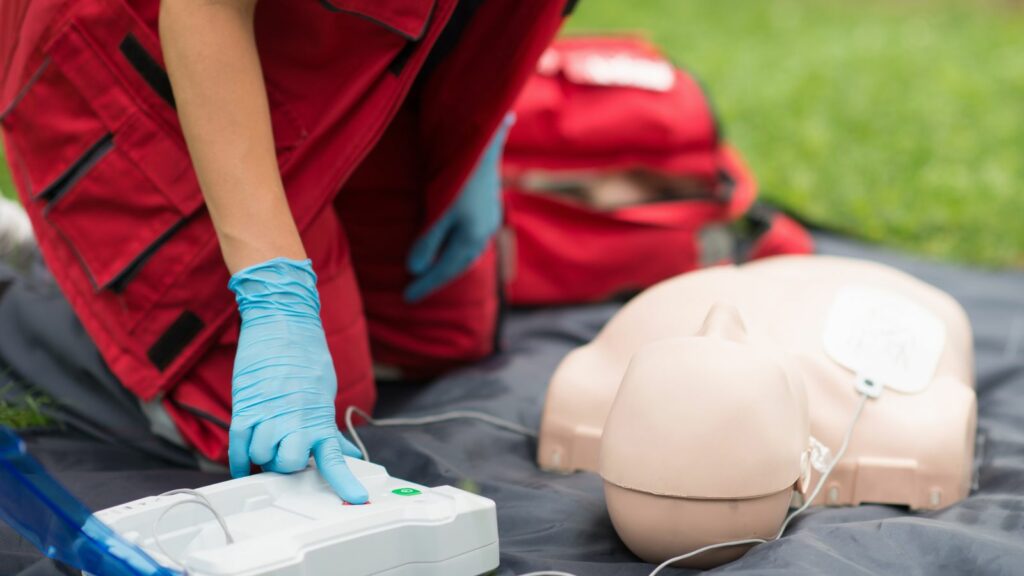
- Automated External Defibrillator (AED) Use: AEDs are portable devices that can help restart the heart. CPR training often includes instruction on using AEDs safely.
- Special Scenarios: Adjustments for infants, children, and pregnant women are also covered in comprehensive CPR courses.
What First Aid Training Involves
First aid courses cover a broad spectrum of skills, including:
- Wound Care: Cleaning, dressing, and bandaging cuts, scrapes, and burns.
- Managing Fractures and Sprains: Recognizing broken bones and sprains, immobilizing limbs, and reducing pain and further injury.
- Handling Choking Emergencies: Techniques such as the Heimlich maneuver for adults and children.
- Dealing with Medical Emergencies: Recognizing and responding to strokes, seizures, heart attacks, severe allergic reactions, and hypoglycemia.
- Preventing Infection: Proper hygiene practices while giving first aid to prevent infection for both the caregiver and the injured person.
- Environmental Emergencies: Treating heatstroke, hypothermia, and bites or stings from insects or animals.
Online vs. In-Person Training
CPR and first aid courses are available both online and in-person. Online courses provide convenience and allow learners to study at their own pace, often using videos and interactive modules. However, hands-on, in-person training is crucial for mastering practical skills like chest compressions, bandaging, and using an AED. The combination of online theory and in-person practice is the most effective approach.
Certification and Renewal
Most CPR and first aid courses offer certification recognized by organizations such as the Red Cross, American Heart Association, or local health authorities. Certification typically lasts for two years, after which refresher courses are recommended. Renewing certification ensures that skills remain sharp, especially since guidelines and recommended techniques can change over time.
Who Should Take CPR and First Aid Training?
The short answer: everyone. However, specific groups benefit significantly:
- Parents and caregivers: Children are particularly vulnerable to accidents at home.
- Teachers and school staff: Schools need trained personnel to respond to emergencies involving students.
- Workplace employees: Many companies require at least one trained employee per shift.
- Healthcare providers and first responders: Although often already trained, refresher courses are essential to maintain proficiency.
- Community volunteers: Lifeguards, sports coaches, and youth group leaders all play a critical role in community safety.
Creating a Culture of Safety
Beyond personal benefits, widespread CPR and first aid training creates a safer society. Communities with more trained individuals have higher survival rates from sudden cardiac arrest and other emergencies. By investing in training, people become active participants in public health and safety, reducing reliance solely on emergency services.
Conclusion
Emergencies can strike anyone at any time, often without warning. CPR and first aid training equips individuals with the knowledge and skills necessary to respond effectively, potentially saving lives and minimizing harm. Whether at home, work, or in public spaces, having trained responders can make a profound difference in critical situations.
Learning CPR and first aid isn’t just a skill—it’s a responsibility. It’s a commitment to safety, readiness, and caring for the people around you. Everyone should consider enrolling in a course today. In moments of crisis, preparation can be the most powerful tool you have.