
Are you ready to take your Python skills from ‘just okay’ to ‘absolutely incredible’? Great. In this intermediate Python course, we’re diving headfirst into the fantastic world of Python programming. Think of it as a thrilling adventure where we explore advanced concepts, tackle real-world applications, and elevate our coding game. We promise it will be more delightful than a surprise pizza delivery on a Friday night. So, grab your favorite coding snacks and let’s get started.
Overview of Python Programming
Python is not just a language: it’s a mantra for clean and efficient coding. In this section, let’s explore what makes Python such a beloved choice among programmers. Its simple syntax and versatility allow us to create a variety of applications, from web development to data science. Python’s community support is vast, with an endless array of resources available to help us scratch our coding itch. Whether we’re building a robust application or just scripting something fun, Python makes it effortless and enjoyable.
Key Concepts and Features
To really excel, we need to jump into some of the key concepts and features that distinguish intermediate programming.
Advanced Data Structures
Let’s talk about data structures. Lists, tuples, and dictionaries are great, but have you experienced the magic of sets or the sophistication of heaps? They can help us process data more efficiently, leading to faster execution times in our applications. Knowing when and how to use these structures is vital in our coding journey.
Object-Oriented Programming in Python
Moving on to Object-Oriented Programming (OOP), which is akin to casting spells in our programming wizardry. We learn about classes and objects, allowing us to model real-world scenarios effectively. Understanding encapsulation, inheritance, and polymorphism really lets us elevate our designs. Think in terms of relationships and interactions, and you’ll see your code transform.
Decorators and Context Managers
Decorators and context managers are two of Python’s most powerful tools, offering us ways to modify behavior dynamically or manage resources efficiently. With decorators, we can enhance our functions without modifying their core functionality. This means we can add logs, timing, or authentication effortlessly.
Context managers, on the other hand, help us manage resources like files or network connections. By using them, we can ensure that resources are properly cleaned up even if an error occurs during usage. This adds a layer of cleanliness and robustness to our code.
Working with External Libraries
One of the most exciting parts of being an intermediate Python programmer is working with external libraries. Libraries like NumPy and Pandas allow us to handle data manipulation and numerical calculations with ease.
Real-World Applications of Intermediate Python
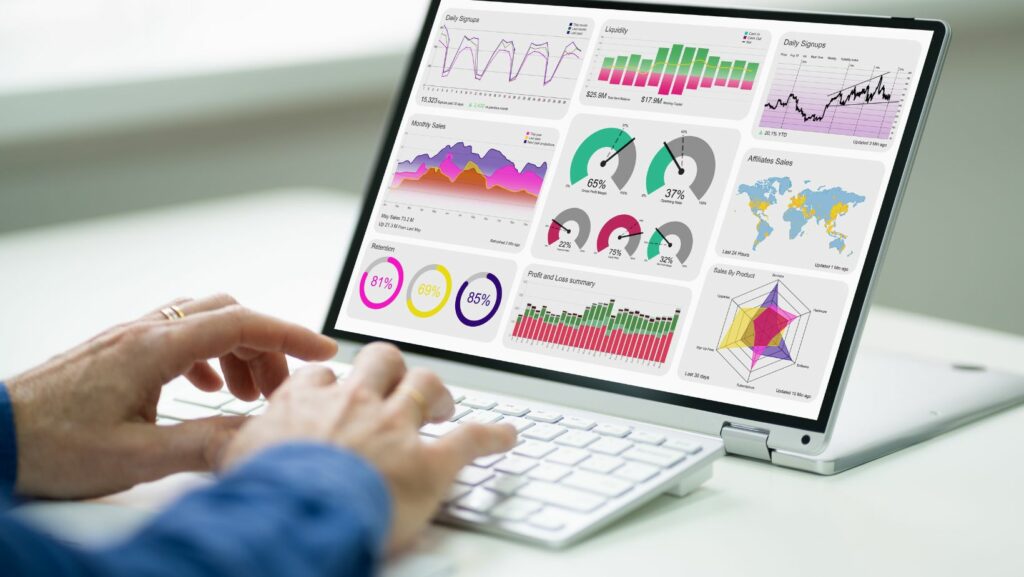
Imagine applying our Python skills to analyze large datasets or even automating mundane tasks. We can create smaller scripts that interact with databases or web APIs, pulling and pushing data as needed. This means we spend less time on grunt work and more time on tackling impactful projects.
Course Structure and Learning Path
Now that we’ve uncovered some of the fascinating aspects of Python, let’s outline what our course structure looks like. We begin with foundational concepts and progressively build up to more complex topics. Each module carefully leads us through real-life examples, allowing us to grasp the intricacies of Python programming. Expect interactive assignments, quizzes, and projects to keep us engaged, after all, learning should be a journey, not a race. Also, we’ll feature collaborative sessions, fostering discussions to share insights and experiences.