
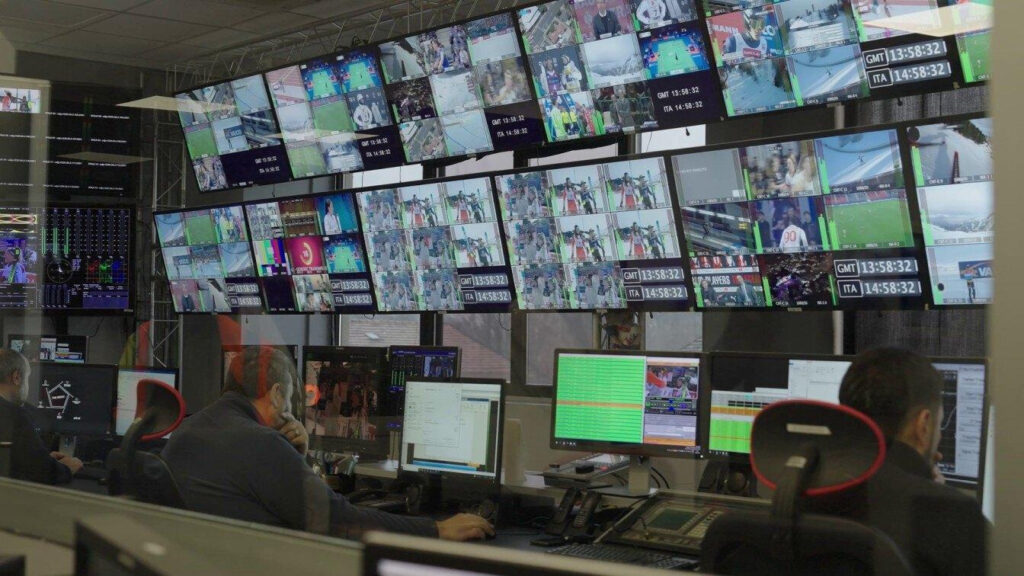
Online games have grown into complex digital ecosystems that combine entertainment, competition, and technology. What once seemed like simple multiplayer experiences are now powered by advanced game engines, cloud servers, and real-time data processing systems. As esports tournaments expand globally and competitive titles attract millions of players, the technical side of gaming becomes increasingly visible. Massive online platforms operate across continents, connecting players from different regions in milliseconds and synchronizing millions of lines of code simultaneously.
Programming skills are no longer relevant only to developers working behind the scenes. Today, coding knowledge benefits players, analysts, tournament organizers, and even content creators. Understanding how systems function allows individuals to engage more deeply with the online gaming environment and unlock new professional opportunities. It also helps users better understand patch notes, balance updates, and system requirements, giving them a clearer picture of how technical changes influence gameplay. In many ways, programming has become the invisible language that powers the modern esports industry.
The Technical Foundations Behind Online Multiplayer and Esports
Modern online games rely on sophisticated programming to handle matchmaking systems, ranking algorithms, anti-cheat tools, and real-time communication between players. These systems must operate with precision to ensure fair competition and smooth gameplay. Even a minor coding error can affect latency, hit registration, or overall balance. Developers constantly test and optimize these systems to guarantee that competitive matches remain stable and responsive under heavy server load.
In large competitive ecosystems such as Dota 2, global tournaments depend on automated scheduling, server stability, and synchronized match data. Fans who follow professional competitions often monitor brackets, team lineups, and match updates through platforms that cover dota 2 events, and these systems are possible only because of complex backend programming that manages live statistics, time zones, and competitive formats. Without reliable technical architecture, international esports events would struggle to deliver accurate results and real-time information to audiences worldwide. The infrastructure supporting tournaments demonstrates how deeply coding is integrated into the competitive gaming environment.
For players who understand programming basics, it becomes easier to grasp how matchmaking rating (MMR) systems function or why specific balance patches influence the meta. Technical awareness transforms gaming from a purely recreational activity into a structured digital experience built on logic and algorithms. Instead of reacting emotionally to changes, informed players can analyze how numerical adjustments impact hero performance, economy scaling, or drafting strategies. This deeper understanding improves both individual performance and strategic thinking.
Programming and the Growth of Modding Communities
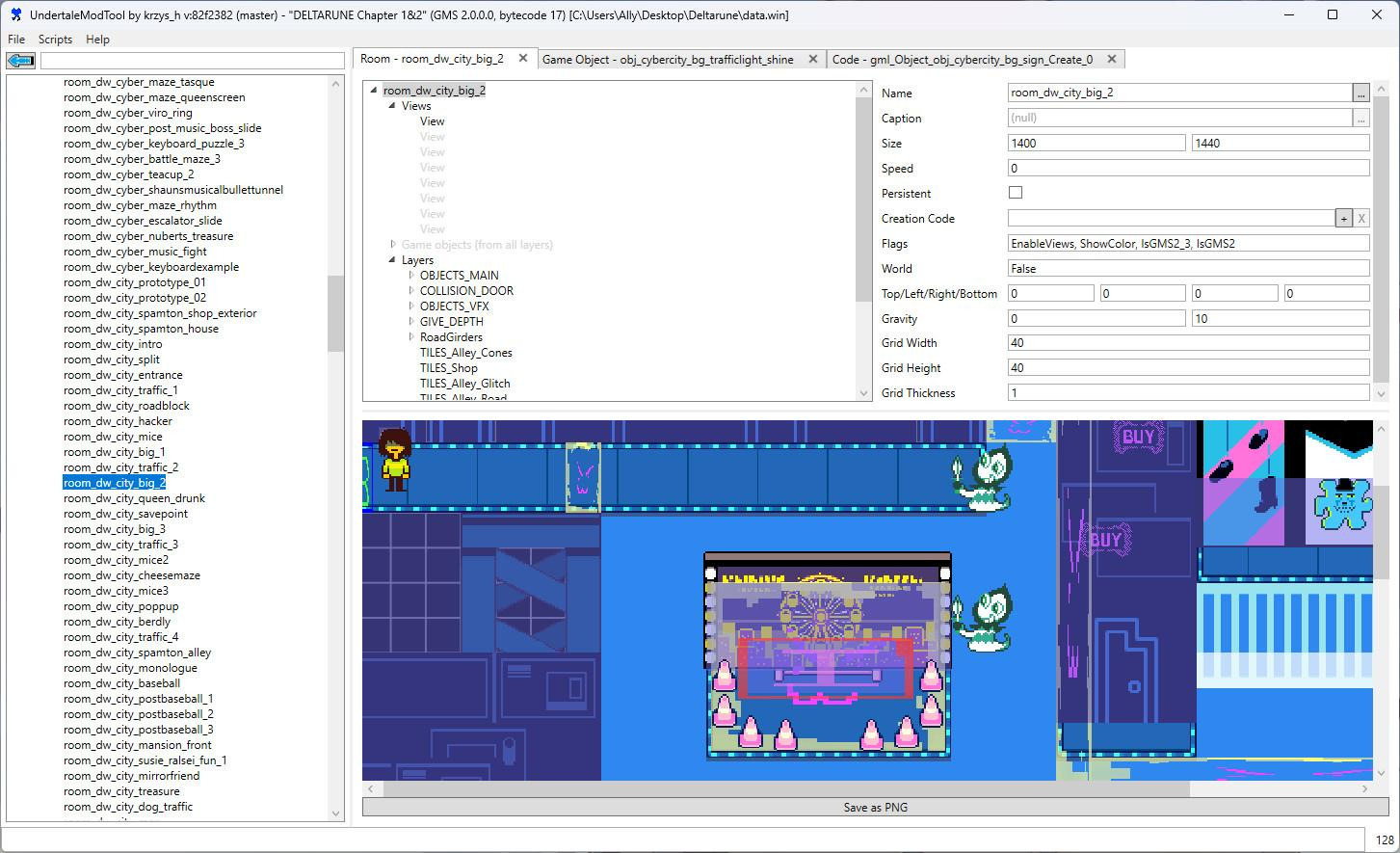
Modding communities demonstrate how programming skills empower creativity. Many online games allow players to design custom maps, modify gameplay mechanics, or create entirely new modes through scripting tools. These opportunities encourage experimentation and innovation within gaming ecosystems. By learning basic coding languages or visual scripting systems, enthusiasts can transform ideas into playable content that others can enjoy.
Historically, some of the most successful esports titles originated as community-driven modifications. The original Defense of the Ancients mod laid the foundation for the modern MOBA genre. This example shows how programming knowledge can transform a creative idea into a competitive phenomenon with international tournaments and multimillion-dollar prize pools. Community experimentation, supported by accessible development tools, often drives the evolution of entire gaming genres.
Learning to code enables players to move from passive consumers to active creators. Whether building a small custom mode or experimenting with gameplay mechanics, programming literacy expands what is possible within an online game. It also teaches logical thinking, debugging skills, and systematic problem-solving. Over time, hobby projects can develop into professional portfolios, opening doors to careers in game design or software engineering.
Data Analytics, Performance Tracking, and Competitive Advantage
Competitive online gaming increasingly relies on data analytics. Teams analyze hero pick rates, win percentages, drafting strategies, and in-game economy patterns. Extracting and processing this information frequently requires scripting tools, APIs, and statistical models. Advanced analytics platforms gather thousands of data points from each match, turning gameplay into measurable performance indicators.
Players who understand programming can create custom analytics dashboards or automate replay analysis. By parsing match data, they identify trends in positioning, timing, and decision-making. In high-level esports, where margins of victory are minimal, even small analytical advantages can impact tournament outcomes. Coding knowledge allows professionals to build scripts that highlight inefficiencies or calculate optimal strategies based on historical results.
Programming skills also help aspiring analysts enter the esports industry. Data-driven scouting, performance tracking, and predictive modeling are becoming standard practices. As online games generate massive datasets, professionals capable of interpreting that data are in growing demand. The combination of gaming knowledge and technical expertise creates valuable specialists who bridge the gap between competition and technology.
Cybersecurity, Fair Play, and System Integrity
The online gaming world faces constant security challenges. Cheating software, account theft, and data manipulation threaten competitive integrity. Anti-cheat systems rely on advanced programming techniques that monitor player behavior and detect irregular patterns in real time. These systems analyze code execution, gameplay inputs, and network traffic to identify suspicious activity without disrupting legitimate users.
Technical specialists design algorithms that identify suspicious activity without compromising legitimate gameplay. Maintaining fairness in esports tournaments requires strong cybersecurity measures and continuous software updates. Developers must stay ahead of evolving threats, constantly refining detection mechanisms and patching vulnerabilities. This ongoing effort highlights how programming expertise directly supports fair competition.
Even at the individual level, understanding digital security practices helps players protect their accounts. Awareness of encryption, authentication systems, and secure connections enhances personal safety in online gaming environments. Technical literacy strengthens both individual and organizational resilience. As esports prize pools grow, safeguarding digital assets becomes an increasingly critical priority.
Career Pathways and Industry Evolution
The gaming industry now offers diverse technical career opportunities. Beyond traditional game development, professionals work in server engineering, artificial intelligence design, data science, broadcast technology, and esports event management software. All these roles require strong programming foundations. The rapid expansion of competitive gaming has created demand for specialists who understand both code and the dynamics of online multiplayer systems.
As online tournaments become more sophisticated, automated systems handle scheduling, statistics integration, and live production overlays. Developers build tools that connect game servers to streaming platforms, ensuring real-time synchronization. Programming skills are therefore critical for maintaining professional esports broadcasts and delivering high-quality viewer experiences. Behind every smooth live stream stands a complex network of technical solutions.
Moreover, educational platforms increasingly combine gaming and coding. Young players often learn programming through game engines or interactive development environments. This integration makes online gaming not only a source of entertainment but also a gateway to technological education and innovation. By merging creativity with logic, the gaming world inspires the next generation of software developers.
Conclusion
Programming skills are becoming important in the world of online games because modern gaming is built on complex digital systems. From multiplayer server infrastructure and esports tournament management to modding tools and performance analytics, coding shapes every aspect of the experience. The technical backbone of competitive gaming ensures stability, fairness, and global connectivity.
As competitive ecosystems like Dota 2 continue to expand, technical literacy provides players and professionals with a distinct advantage. Understanding algorithms, data processing, and system architecture allows deeper engagement with the gaming world and opens doors to new career opportunities. Those who invest time in learning programming gain not only knowledge but also strategic insight into how games function at their core.
In the future, online games will likely integrate even more advanced technologies such as artificial intelligence and cloud-based infrastructure. Those who develop programming skills today will be better prepared to contribute to, innovate within, and thrive in the evolving global esports industry. Ultimately, coding is no longer separate from gaming — it has become one of its most powerful driving forces.