
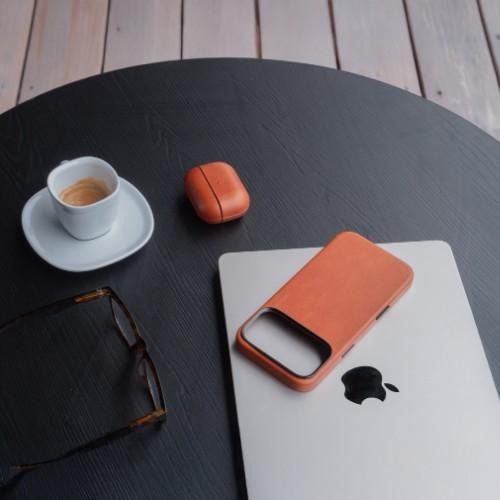
For many technology leaders, opening a new flagship phone is no longer a routine upgrade.
It is a private ceremony: the clean lift of the lid, the first flash of glass and metal, and the pause before the device is switched on. The experience signals arrival and participation in the next chapter of personal technology.
The accessory chosen at that moment matters. A mass-produced shell can make an advanced device feel ordinary within seconds. The upcoming Ryan London iPhone 18 preview offers a different idea: complete the unboxing with an object designed to bring warmth, texture and individuality to precision hardware.
When Technology Becomes Personal
The iPhone 18 has not yet been announced by Apple, so credible discussion must separate anticipation from confirmed fact. Executives, founders and design-conscious early adopters do not experience a new phone only as a processor, display or camera. It becomes the device they place on conference tables, carry through airports and handle during hundreds of daily decisions.
A case therefore becomes part of the product’s public identity. The first fitting, the pressure around the edges and the feel of leather replacing bare glass, extends the unboxing rather than ending it.
The Appeal of Material Contrast
Modern smartphones are engineered for consistency. Their surfaces are smooth, exact and almost untouched by the human hand. Full-grain leather creates a deliberate contrast. Its grain varies, its warmth is immediately perceptible and its appearance changes with handling.
RYAN London says its forthcoming collection is in development and that it plans to continue using full-grain, vegetable-tanned leather. Leather can collect a patina, allowing the case to become more personal as the device moves through meetings, travel and daily work.
For someone seeking an iPhone 18 case USA option, that evolving surface can carry more distinction than a loud logo. Status is communicated through material knowledge and restraint: knowing why the object feels different without needing it to announce its price.
A New Kind of Executive Signal
Traditional status objects were often separate from work. Today, the smartphone is both a professional instrument and a visible personal possession. It appears during presentations, client dinners, investor calls and informal conversations.
Pairing new technology with handcrafted leather creates a luxury tech status symbol grounded in contrast. The phone represents speed and future capability; the case introduces craft, touch and permanence. Together, they suggest an owner who values innovation but does not accept disposability as the default aesthetic.
A finely made case is noticed gradually. Its edges, grain and developing tone reward close attention rather than demanding it.
Designing the Upgrade Ritual
A premium tech upgrade USA experience can begin before launch day. The buyer considers colour, texture and how the case will sit alongside a watch, laptop sleeve or travel bag. When the phone arrives, the accessory is not an afterthought retrieved from a drawer. It is part of the sequence.
The box opens. Protective films lift away. The phone is examined, activated and then enclosed in leather. Cold precision meets a warmer material, and a standard setup becomes a moment of ownership.
Status That Develops With Use
The most compelling luxury objects do not remain frozen in their first-day condition. They record use without losing character. That is why leather suits a device carried every day: the owner’s habits gradually become visible in the material.
The forthcoming collection remains a preview, not a finished promise of unannounced phone details. Yet its appeal is already clear. For US tech leaders and design aficionados, the next dimension of status may not come from possessing technology first. It may come from presenting it with greater judgement.