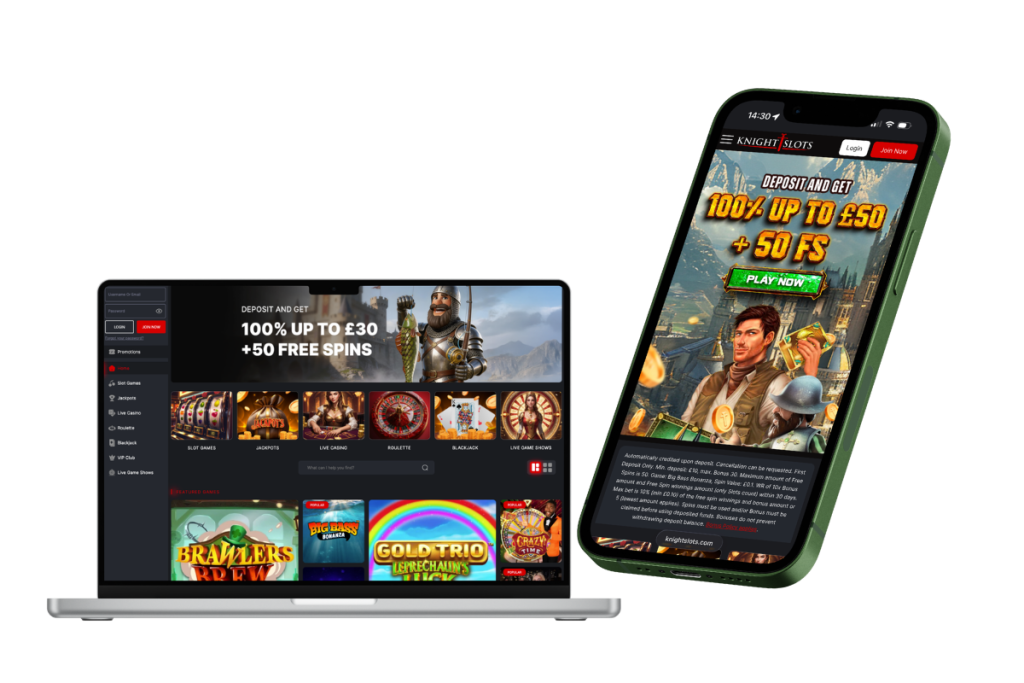
Open an online casino and the first thing that appears is not a spinning reel or a live dealer. It is a grid of tiles, banners, tabs and little labels competing for attention. That first screen is the casino lobby, and it quietly does far more than most players give it credit for.
Look at a modern lobby like here and it becomes obvious that this space is not neutral. It is planned. Every row, every category and every “recommended” game plays a part in deciding what users click, how long they stay, and how much they spend.
The lobby is the real control room
From a distance, a lobby is just a menu. Up close, it acts more like a control room for the entire site.
It does a few key jobs at once:
- Decides which games get seen first and which are buried
- Sets the tone: fast slots, calm tables, social live games, all within one or two taps
- Manages the jump between “just browsing” and “actually playing”
The moment a player arrives, the lobby answers one silent question: “What now?”. If the layout is clean and logical, the answer appears quickly. If not, people scroll, second guess, and fall back on whatever sits in the biggest banner.
That early friction, or lack of it, often decides whether a session feels controlled or chaotic.
From static list to active editor
In the early years of online casinos, lobbies were more or less static lists. New game added, new tile at the end, that was it. Today the front page functions more like an editor in a newsroom.
Content is constantly rearranged:
- “Popular” and “Trending” rows react to what others are playing
- “New” and “Exclusive” sections push deals with specific providers
- Seasonal blocks appear for tournaments, events or big sports weeks
Under the surface, data drives much of this. Platforms know which titles convert views into spins, which keep people engaged, which generate strong revenue. Those games earn prime positions, while underperformers slide down the page.
For players, understanding that the lobby is an edited space, not a neutral index, helps. The first row is not necessarily the “best” set of games, it is simply the most commercially effective mix for the operator.
Different players, different paths
One lobby has to serve very different types of users. A thoughtful design uses structure to funnel each group toward something that makes sense for them.
Roughly, the main audiences are:
- Newcomers who have no idea where to start
- Regulars who know exactly which games they want
- High-risk, high-stake players looking for big hits or VIP tables
- Casual visitors dropping in between other tasks on their phone
The lobby’s role is to surface clear paths for each:
- Simple categories and “Recommended for you” strips for newcomers
- A clear “Recently played” and favourites row for returning users
- Obvious access to high limit tables and big jackpots for those who seek them
- Quick, low-stake, easy-to-understand games near the top for casual sessions
If a lobby does this well, people find a rhythm quickly. If it forces everyone through the same route, frustration rises and so does the chance of bad decisions.
Personalisation: helpful guide or pushy salesman
One of the more modern roles of a casino lobby is as a recommendation engine. The site watches what a person plays, when they log in and how long they stay, then reshapes parts of the lobby around that behaviour.
This can be genuinely useful:
- Favourite game types bubble up the screen
- Irrelevant categories fade slightly into the background
- New releases from preferred providers appear in visible spots
There is, however, a fine line. The same data can be used to push more aggressive content. Someone who often plays late at night might see more fast, volatile games in those hours. A player who favours big bets may be steered gently toward higher limits.
From a user’s point of view, the lobby’s role here should be judged by how easy it is to push back. Can suggestions be ignored without penalty. Are responsible gambling tools and limits just as visible as promos. If the answer is yes, personalisation is serving the player as much as the house.
User experience lives or dies in the lobby
Good UX in a casino does not start when the reels spin. It starts the moment the lobby loads.
On a solid platform, that means:
- Clear navigation at the top or bottom (slots, tables, live, jackpots, promo)
- Tiles that load fast and look the same on every visit
- A search bar and filters in obvious places, not hidden behind icons
- Balance, cashier and support only ever one tap away
On mobile, this role gets even bigger. Small screens amplify mistakes. If someone has to swipe five times just to find roulette, the lobby has failed. If they can reach it in two moves, the entire experience feels tighter and less risky.
In practice, fewer interface irritations also means fewer angry spins, fewer misclicks at the wrong stake and less temptation to stay “just a bit longer” because finding an exit feels like work.
The lobby as a cross-sell machine
It would be dishonest to pretend the lobby exists only to help players. It also exists to move them around the site.
Strong operators use that space to:
- Introduce live casino to slot-only players with a gentle “try live” strip
- Promote side products like crash games, mini-games or tournaments
- Spotlight time-limited campaigns that tie several games together
This role is not automatically bad. Discovery can add variety and keep boredom at bay, which for some users reduces the urge to overbet on a single title. The unpleasant version of cross-selling is when the lobby becomes a maze of overlapping offers that never quite let someone settle.
The useful test is simple: does the lobby feel like it is offering options, or herding people into whatever has the highest house edge that day. A lobby fulfilling its role well does a bit of marketing without feeling manipulative.
Quiet responsibility: lobbies and player protection
As regulation has tightened, another role has landed squarely on the lobby’s shoulders. It is now a visible point for player protection.
A responsible lobby will:
- Keep links to limits, history and self-exclusion close to the main view
- Show reminders about session length or net results in a discreet but readable way
- Make age and licence information impossible to miss
None of this stops anyone from playing. It does, however, keep reality within arm’s reach. The lobby becomes a place not only to enter a game, but to pause between games and take stock.
If those tools are hidden deep in account menus while bonus messages dominate the front, the balance of priorities is clear.
How players can use the lobby instead of being used by it
Once the role of the lobby is understood, it stops being just décor and turns into a tool.
A few practical ways to make it work in your favour:
- Start each visit on the lobby with a quick budget check in mind, not a game in mind
- Use search and filters to narrow options before clicking anything
- Rely on favourites and “recently played” to avoid chasing random new tiles every time
- Treat “Popular” and “Hot” rows as suggestions, not instructions
- Use the lobby as the place to stop and review, not just as the corridor between games
Seen that way, the lobby’s role becomes more balanced. Yes, it promotes, nudges and sells. It also offers structure, information and exit routes. The choice is in how consciously it is used.
The front door that decides the story
The role of casino lobbies in online gaming is not glamorous. They do not decide RTP, they do not deal the cards. Instead, they set the stage. They frame what looks normal, what looks exciting, what looks safe to try.
A good lobby respects attention. It organises, explains and offers ways to stay in control. A bad one burns attention as quickly as it burns bankrolls, hiding important tools under layers of noise.
For anyone who spends time in online casinos, learning to read that opening screen is not a design hobby. It is a practical skill. Because the real story of any session does not start with the first spin. It starts with whatever the lobby persuades someone to open.