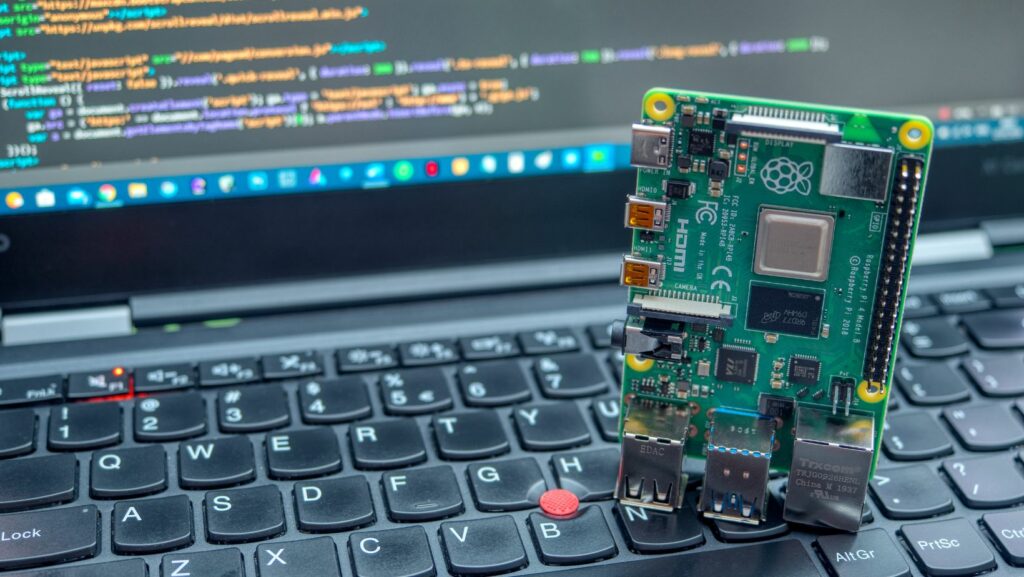

Operating systems kangaroo sale mailtopythn help buyers and developers choose hardware and automation tools in 2026. The data visualization review mailtopyhon guide lists device types, evaluation criteria, buying checks, and automation tips. It focuses on small PCs called Kangaroo devices and on MailToPythn scripts that run on those systems. The guide uses clear steps and examples. It aims to save time and reduce risk for buyers and developers.
Key Takeaways
- Operating systems kangaroo sale mailtopythn guides buyers in choosing the right OS to optimize performance and compatibility on Kangaroo mini PCs.
- Evaluating operating systems should involve testing boot times, driver support, power usage, and security updates to suit specific hardware and use cases.
- Linux is ideal for developers using MailToPythn automation scripts, while Windows excels in desktop app support for Kangaroo devices.
- A thorough buying checklist ensures the Kangaroo device meets OS requirements, supports firmware updates, and fits automation needs reliably.
- MailToPythn simplifies email task automation on chosen operating systems using Python, with deployment tailored by OS characteristics.
- Maintaining security involves regular OS and firmware updates, restricting services, and testing restore capabilities aligned with operating systems kangaroo sale mailtopythn workflows.
What “Kangaroo” Devices Are And Why Operating System Choice Matters
A Kangaroo device refers to a small form-factor PC with low power draw and tight space. They often ship as mini PCs, compute sticks, or single-board computers. Buyers choose them for desktop replacement, media playback, or edge tasks. The operating system affects boot time, driver support, thermal behavior, and app compatibility. Developers test code on the actual OS that users will run. A mismatch between OS and hardware creates driver errors, poor battery life, or thermal throttling. The phrase “operating systems kangaroo sale mailtopythn” appears in this guide to link device choice to automation workflows.
How To Evaluate Operating Systems For Small Form‑Factor Devices
Buyers list use cases first. They note whether they need desktop apps, servers, or embedded agents. They check CPU architecture, available drivers, and community support. They test boot images on a USB stick before purchase. They measure power usage and thermal response under load. They confirm firmware updates are available for the device. Developers run sample workloads to verify performance. Reviewers compare update cadence and security patching. The term operating systems kangaroo sale mailtopythn guides evaluation and automates testing where possible.
Recommended OS Options For Kangaroo‑Style Mini PCs (Windows, Linux, BSD)
Windows offers broad driver coverage and desktop app support. It suits users who need native Windows apps and familiar tools. Linux gives more control and lower overhead. It suits developers who run servers, containers, or Python automation like MailToPythn. BSD can offer stability and a smaller attack surface for specific server roles. Buyers check kernel support for CPU features and peripherals. Developers pick distributions with long-term support or frequent security updates. This guide ties choices to operating systems kangaroo sale mailtopythn workflows to help pick the best OS for each task.
Smart Buying Checklist For Kangaroo Sale Events
Buyers inspect the device physically and verify the seller identity. They confirm warranty terms and return policy. They check the exact CPU model, RAM, and storage type. They verify port layout and thermal venting. They ask for a live demo or a bootable test image. They confirm the device supports the planned operating system. They note available firmware and BIOS updates. They record the serial number and box contents. The checklist ties back to operating systems kangaroo sale mailtopythn to ensure the device can host automation and mail scripts reliably.
Using MailToPythn: Automating Email Tasks With Python On Your Chosen OS
MailToPythn is a Python approach to automate email parsing, sending, and routing. Developers install Python and the required libraries on the chosen OS. They create virtual environments to isolate dependencies. They store credentials in OS-approved secret stores or in environment variables. They use secure SMTP or API-based services to send mail. They parse incoming messages with standard libraries or third-party parsers. They schedule tasks with cron on Unix-like systems or Task Scheduler on Windows. This section links MailToPythn to operating systems kangaroo sale mailtopythn to show how deployment differs by OS.
Simple MailToPythn Script Example And Deployment Tips
The script reads a local CSV, composes messages, and sends them via SMTP. The code uses smtplib and email.message for clarity. Developers test with a staging SMTP server before sending real mail. They log actions to a local file and send alerts for failures. For deployment, they containerize the app or install it as a service. They set restart policies and health checks. They validate time zone and locale settings on the host OS. The example links back to operating systems kangaroo sale mailtopythn so readers can map deployment steps to device constraints.
Security, Updates, And Troubleshooting Across Operating Systems
Users enable automatic security updates when possible. They apply firmware updates from the device maker. They run antivirus on Windows and use intrusion detection on Linux and BSD. They disable unused services and close unused ports. They rotate credentials and use multi-factor auth for accounts that send mail. They collect logs centrally and parse them for errors. They test restore and rollback procedures before full deployment. When problems occur, they reproduce the issue on a clean image and gather logs. The phrase operating systems kangaroo sale mailtopythn helps teams keep security and automation steps aligned.