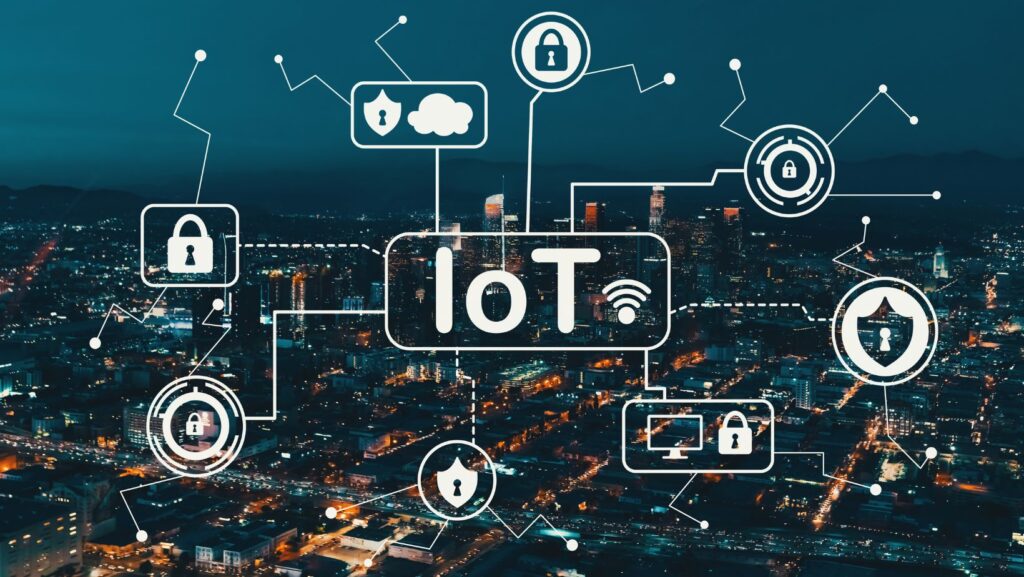
IoT has changed the way we engage with physical environments and has formed a network of interlinked devices that are able to interact with one another without any issues. The success of these intricate systems highly depends on the selection of the appropriate programming language. IoT Python has become the favorite of developers because of its simplicity and ability to perform robustly. It has an extensive ecosystem, which enables quick prototyping and data processing.
In implementing these complex systems, it is critical to engage an experienced technology provider. Jelvix is an international consultancy firm and software development firm that focuses on assisting businesses in the digital transformation process. With a strong stable of professionals, Jelvix offers comprehensive software services, including multi-faceted IoT systems, cloud integration, and bespoke enterprise software. Their team is concerned with providing software that is scalable, secure, and high-performance to meet the objectives of certain business goals. Jelvix provides the clients with powerful digital products that can survive the pressure of current industrial and consumer markets using sophisticated methodologies and the newest tech stacks. It is their software engineering know-how that makes them a partner of long-term innovation and technical excellence, regardless of whether you wish to develop a new platform or enhance existing infrastructure.
Python for IoT: Key Advantages for Developers
One of the reasons Python is preferred for IoT is its readable syntax that resembles a Human language. This decreases the time for coding and debugging in comparison to C++ or Java. Developers can concentrate on logic problems rather than complicated memory allocations. Which is critical in today’s fast-moving market, where time-to-deployment is a competitive edge.
What is more, some of the best-in-class libraries are already available in Python IoT for data science and automation as well. Libraries such as NumPy, Pandas, and Scikit-learn make it simple to handle the large volumes of data coming from sensors. Real-time analytics and predictive maintenance can be achieved using these tools inside the IoT ecosystem.
Libraries and Frameworks for the Internet of Things with Python
The Python programming language can ease the pain of network device monitoring with the help of some dedicated frameworks. For example, there’s MicroPython and CircuitPython, which are leaner versions of the language made to run on resource-constrained microcontrollers. These editions keep the essentials of the language but are lightweight enough to run on hardware such as ESP32 or Raspberry Pi.
For connectivity, developers utilize libraries like Paho MQTT, which is capable of acting as an efficient communication protocol. These are tools that make it possible for devices to exchange data with as little delay as possible. Python programming for IoT (Internet of Things) is perfect because it effectively connects these communication layers to cloud services such as AWS or Azure.
Python Programming for IoT (Internet of Things) Hardware
Most hardware platforms are designed with native support for Python; IoT is not an exception. The Raspberry Pi is surely one of the most high-profile and provides an attractive entry-point to the broad world of industrial uses. It gives you enough processing power to run Python, and it means you don’t have to cobble together modules and breakout boards yourself (unless you want to). This hardware and software combination enables the rapid deployment of smart home and industrial systems.
The BeagleBone Black is another favourite for IoT Python projects. With so many I/O pins available, this is great for large sensor arrays. It is possible to program the pins connected to sensors in Python scripts and video them temperature, motion detection, or motors. The language is also flexible, meaning it can work on a variety of hardware constraints and remain efficient.
Data Security and Python IoT
Security is a primary concern in any Python IoT deployment. Because IoT devices often collect sensitive data, protecting the communication channels is paramount. Python supports various encryption libraries, such as PyCryptodome, which help secure data at rest and in transit. Developers must implement these tools to prevent unauthorized access to the network.
The Scalability of IoT with Python Solutions

Scalability is a significant factor when choosing Python for IoT for enterprise-level projects. As a network grows from ten devices to ten thousand, the backend must handle the increased load. Python’s compatibility with containerization tools like Docker makes it easy to scale applications across distributed cloud environments. This ensures that the system remains responsive as the user base expands.
In conclusion, IoT with Python provides a comprehensive toolkit for building modern, intelligent systems. From its ease of use to its robust library support, it addresses the unique challenges of hardware integration and data processing. For more technical insights into hardware compatibility, you can visit the Official Python Foundation resources. As the industry evolves, Python will undoubtedly remain at the forefront of the IoT revolution.