

There’s a common misconception that creating a mobile app takes little time and doesn’t require any special skills. However, this is far from true. It’s not enough to simply come up with an idea, develop a program, write the code, and release the finished app. But in practice, things aren’t so simple. Therefore, mobile app development should be handled by professionals. Magento development agency is considered one of the best.
Stages of Mobile App Development
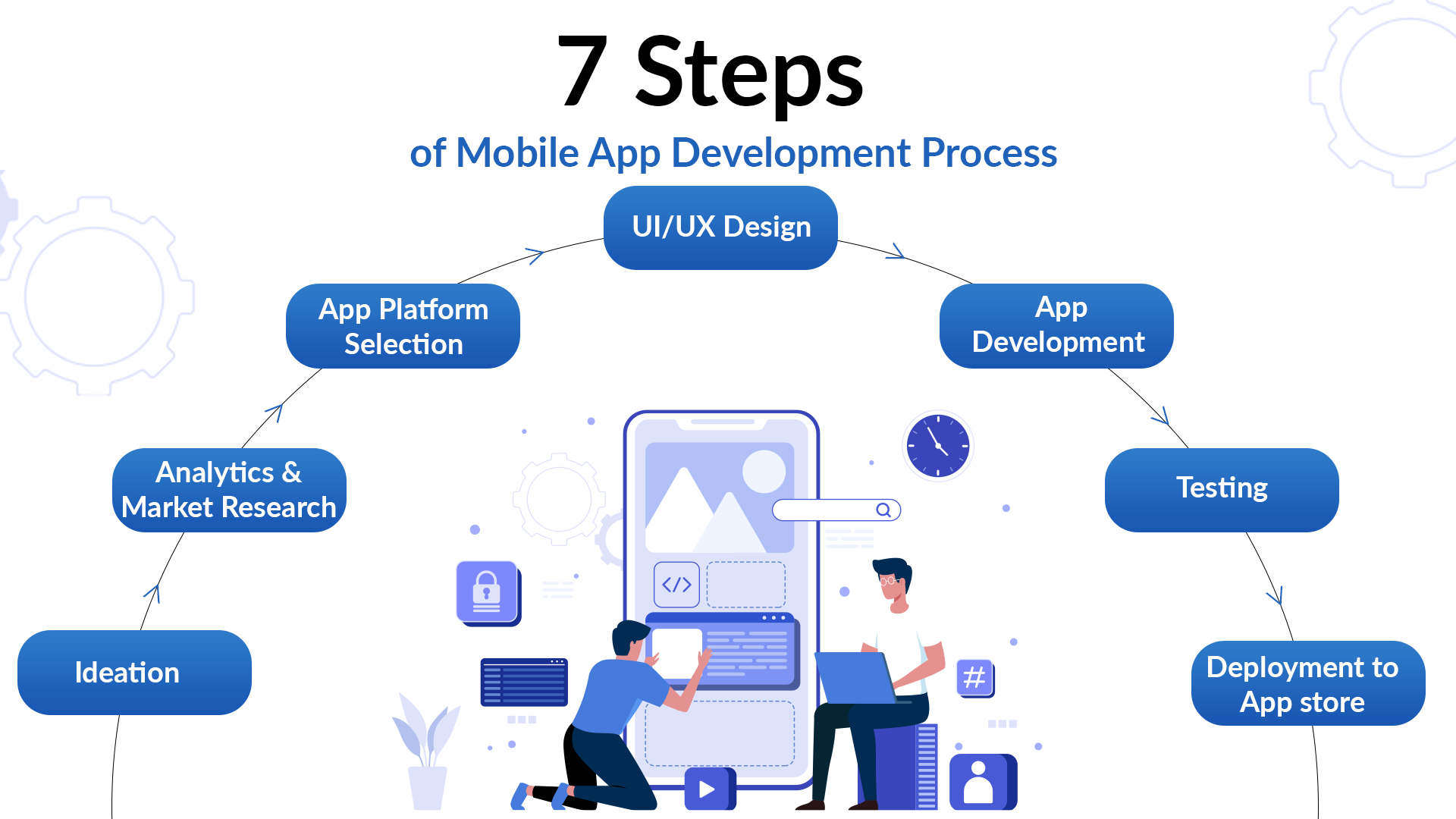
The creation of every mobile app consists of the following stages:
- Market and target audience analysis;
- Creation of an initial concept for the future product;
- Creation of a mockup or prototype version of the app for a phone;
- Testing the result;
- Release of the mobile app.
All of these stages must be performed by specialists.
Analyzing Market Needs for Creating a Branded Mobile App
Before creating a mobile app, you need to identify specific business goals. Typically, all products are designed to increase customer numbers and sales, automate order processing, and enhance brand awareness. Therefore, to stand out, you need to study your competitors’ market, their apps, and their shortcomings. It’s also important to read user reviews on independent forums to understand their desires and expectations for mobile apps.
Mobile App Layout Creation
Designers are involved in the prototyping process, who:
- create the future structure using infographics;
- Develop a plan for the interface layout;
- finalize the external design (color palette, font, animation, visual design, etc.)
There may be several such layouts.
Programming, Testing, and Release of a Mobile App
After app development is approved, the programming team first creates the code for the future product. They review their work several times to eliminate errors. During testing, the mobile app is further tested. Stability, security, speed, data accuracy, and correct behavior across devices are all important. Before release, the app is prepared for publication in the App Store and Google Play. It’s important to understand that the release is not the final stage, but the starting point. From this point on, work with real users and live data begins.
Important Features of Mobile Apps in E-Commerce
E-commerce encompasses concepts such as traffic growth, interface functionality, automation of the app’s internal processes, and more. The most sought-after features of branded phone apps in e-commerce include:
- Personalized recommendations and promotions for customers;
- Quick order re-ordering for regular users;
- Saved payment and delivery methods;
- Push notifications about order status and discounts.
Mobile app development isn’t a series of disparate stages, but a seamless process. A mistake at the beginning will almost always come back to haunt you later. That’s why mature companies approach development as an investment, not a one-time task. A great app doesn’t emerge by chance. It’s the result of a sound strategy, meticulous attention to detail, and continuous post-release development. Ongoing collaboration between the client and the hired developers ensures the success of the future mobile app and its competitiveness. This includes page design, descriptions, screenshots, privacy policy, security, moderation, and other development details.